Test Drive Unlimited 2 Minimum System Requirements . Test drive unlimited minimum system specs My computer might just about scrape high to max with: Test Drive Unlimited 2 (2011 video game) from gamerinfo.net Test drive unlimited 2 was developed under the banner of eden games. After placing d3d9.dll in tdu2 directory game won't start at all and give this error: It is also the tenth game in its series.
Hepatobiliary Ductal System Imaging. Liver plain radiographs liver silhouette: When its potential as a hepatobiliary imaging agent was realized, the term hida scan was.
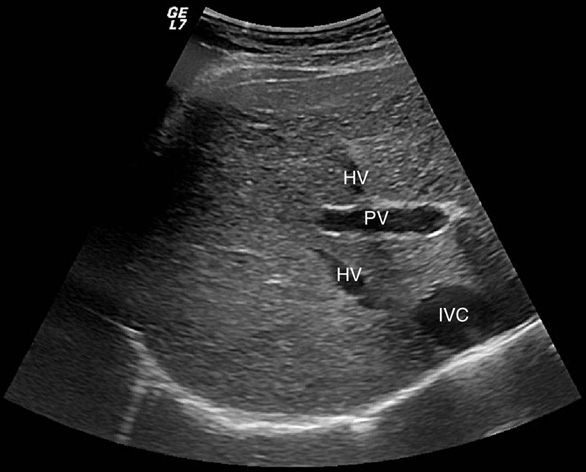
Hepatobiliary Ultrasound Radiology Key from radiologykey.com
Radiological anatomy of hepatobiliary system. A hida scan, also called cholescintigraphy or hepatobiliary scintigraphy, is an imaging test used to view the liver, gallbladder, bile ducts, and small intestine. The choice of tracer depends on the clinical question.
In Recent Years, We Have Witnessed Important Developments In The Selection Of Diagnostic Methods.
Doctors use nuclear medicine to diagnose, evaluate, and treat various diseases. The study of liver diseases by means of imaging methods has changed substantially in the last decade owing to advances in ultrasound (us), angiography, computed tomography (ct), and radionuclide studies. Liver imaging findings may simulate those of more common neoplastic and infectious diseases.
The Tracer Travels Through Your Bloodstream To Your Liver.
Smv, superior mesenteric vein sma, superior mesenteric artery uncinate process. Sma:superior mesenteric artery cbd,common bile duct spenic vein pancreas 8. Snehal kosale dr snehal kosale.
99M Tc Disida (Disofenin) (Hepatolite) Normal Functioning Liver:
It lets a healthcare provider look at the bile ducts, gallbladder, and liver. A hepatobiliary iminodiacetic acid (hida) scan is an imaging procedure used to diagnose problems of the liver, gallbladder and bile ducts. • recognize the indication for hepatobiliary imaging.
Hepatobiliary Imaging In Nuclear Medicine Can Be Accomplished With Multiple Different Radiotracers To Help Evaluate The Liver, Gallbladder And The Biliary Ducts.
The liver is also directly involved in the excretion of drugs and their metabolites by active secretion from hepatocytes into the bile duct. Acceptable visualization of the hepatobiliary tree can occur with up to 20 mg/dl of bilirubin. This article lists examples of normal imaging of the liver and biliary tree and surrounding structures, divided by region and modality.
For A Hida Scan, Also Known As Cholescintigraphy Or Hepatobiliary Scintigraphy, A Radioactive Tracer Is Injected Into A Vein In Your Arm.
The radiotracer first used was iminodiacetic acid (ida), a lidocaine derivative initially investigated for cardiac scintigraphy. It is sometimes also called a cholescintigraphy or hepatobiliary scintigraphy. The hepatobiliary system plays an important role in the biotransformation and disposition of endogenous molecules and drugs as outlined in previous chapters.


Comments
Post a Comment